What are boarding schools in Switzerland really like? Come along with us as we visit three unique schools in beautiful Switzerland.
Swiss Boarding School Stop One
Rosenberg
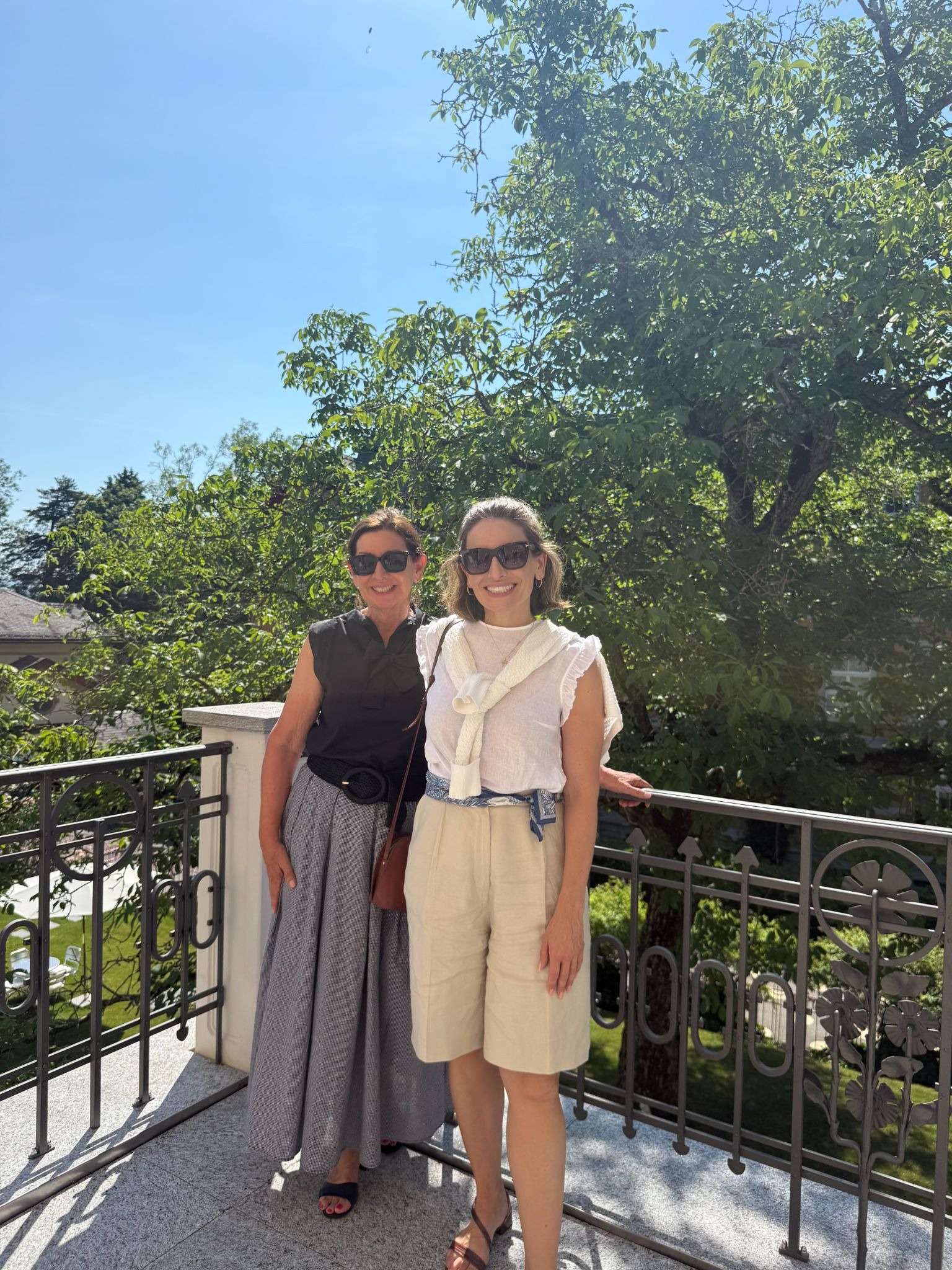
The first Swiss boarding school stop was the Institut auf dem Rosenberg in St. Gallen. “Rosenberg” translates to mountain of roses, which immediately rang true as we pulled up on a bright June day. The school is exquisitely landscaped with manicured rose bushes framed with pink iron fences. The admissions team greeted us warmly and our tour commenced.
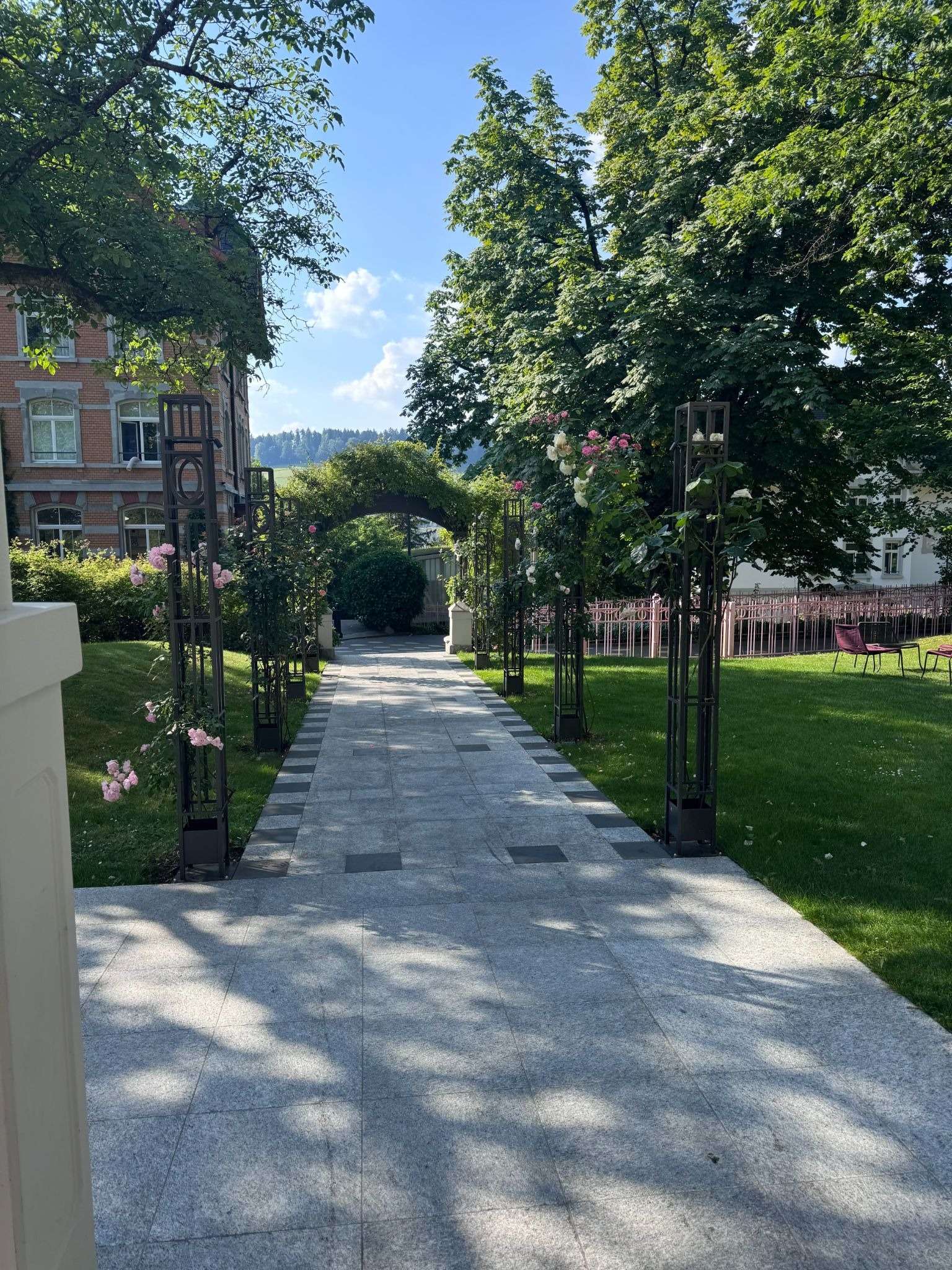
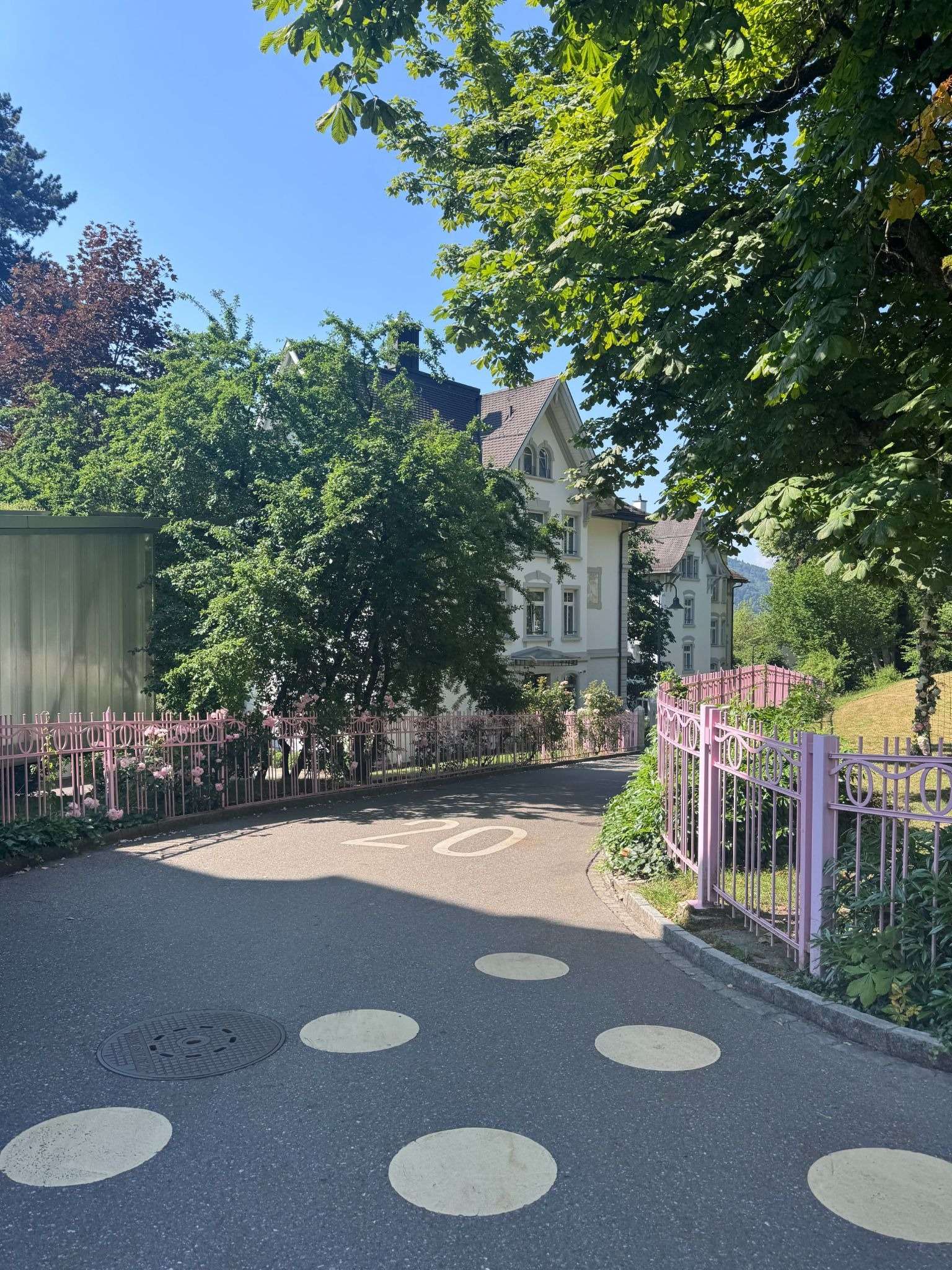
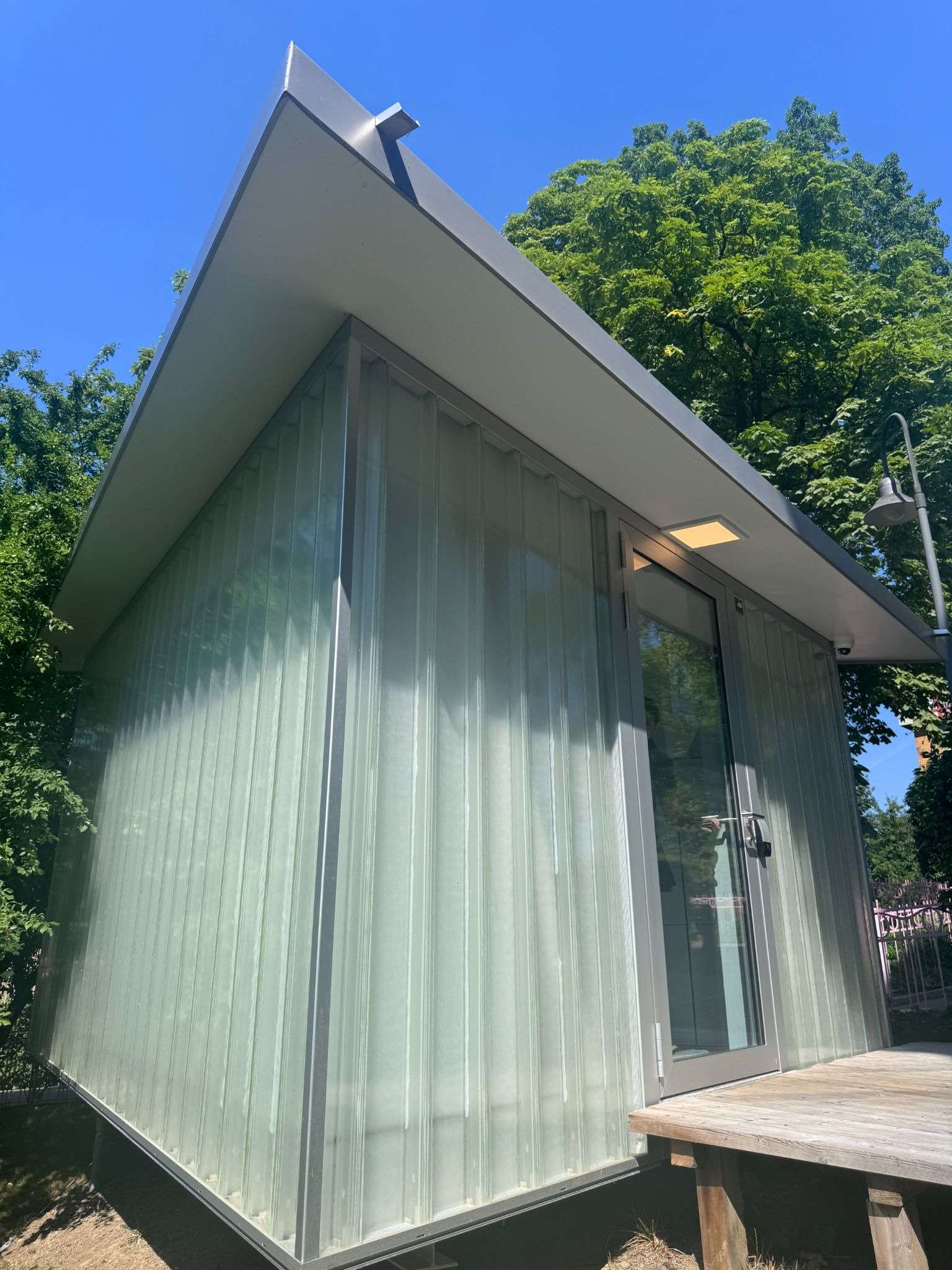
Founded in 1889, the school is a leader in experiential education to prepare students to be leaders in the world, counting Chemistry Nobel Laureate Mario Molina among their alumni. Today students are still pushing the bounds of science and creativity, for example with their recent award-winning 3D-printed pod for living on Mars (or the moon!).
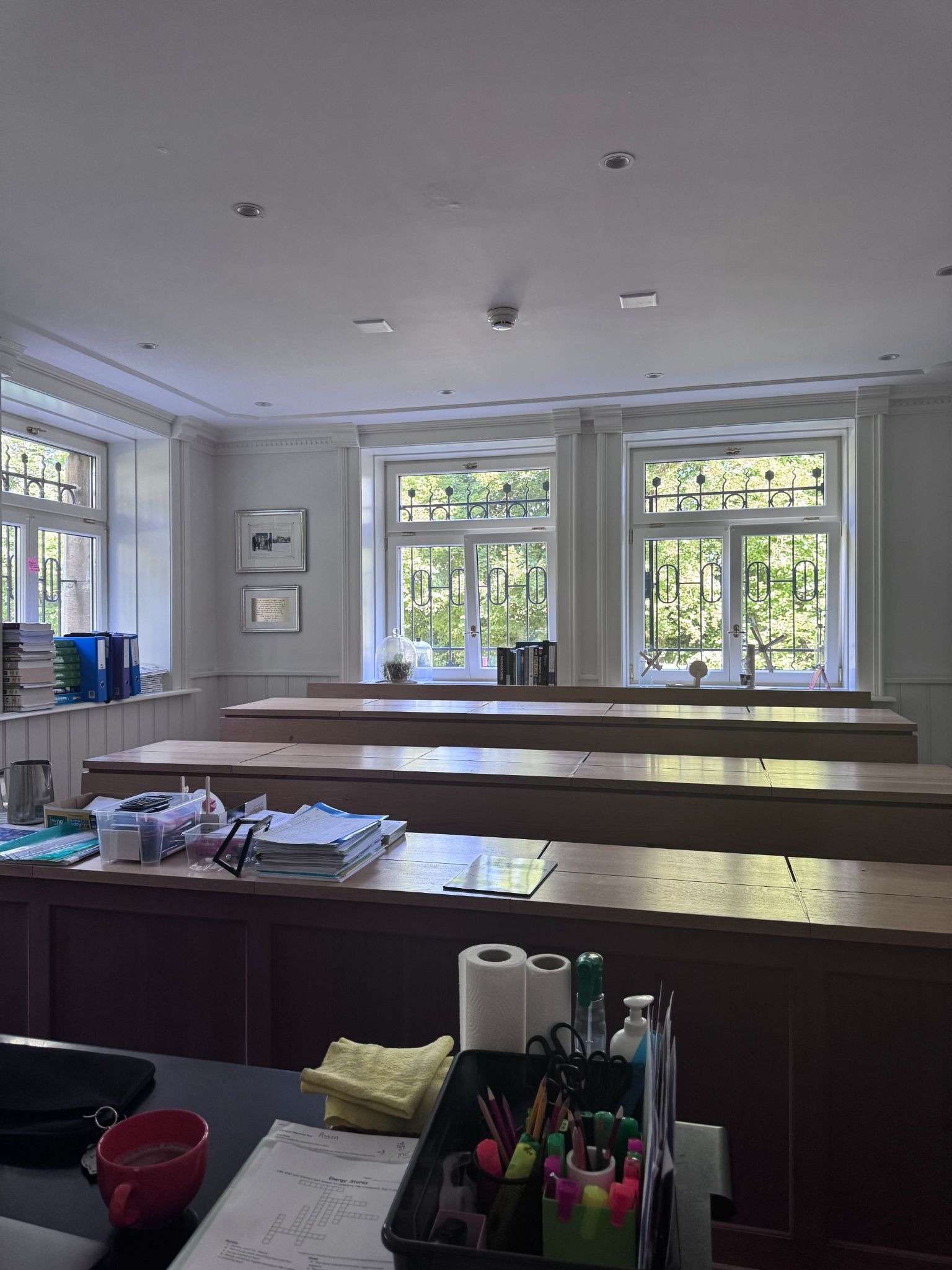
The science classroom as nobel laureate Mario Molina studied in it!
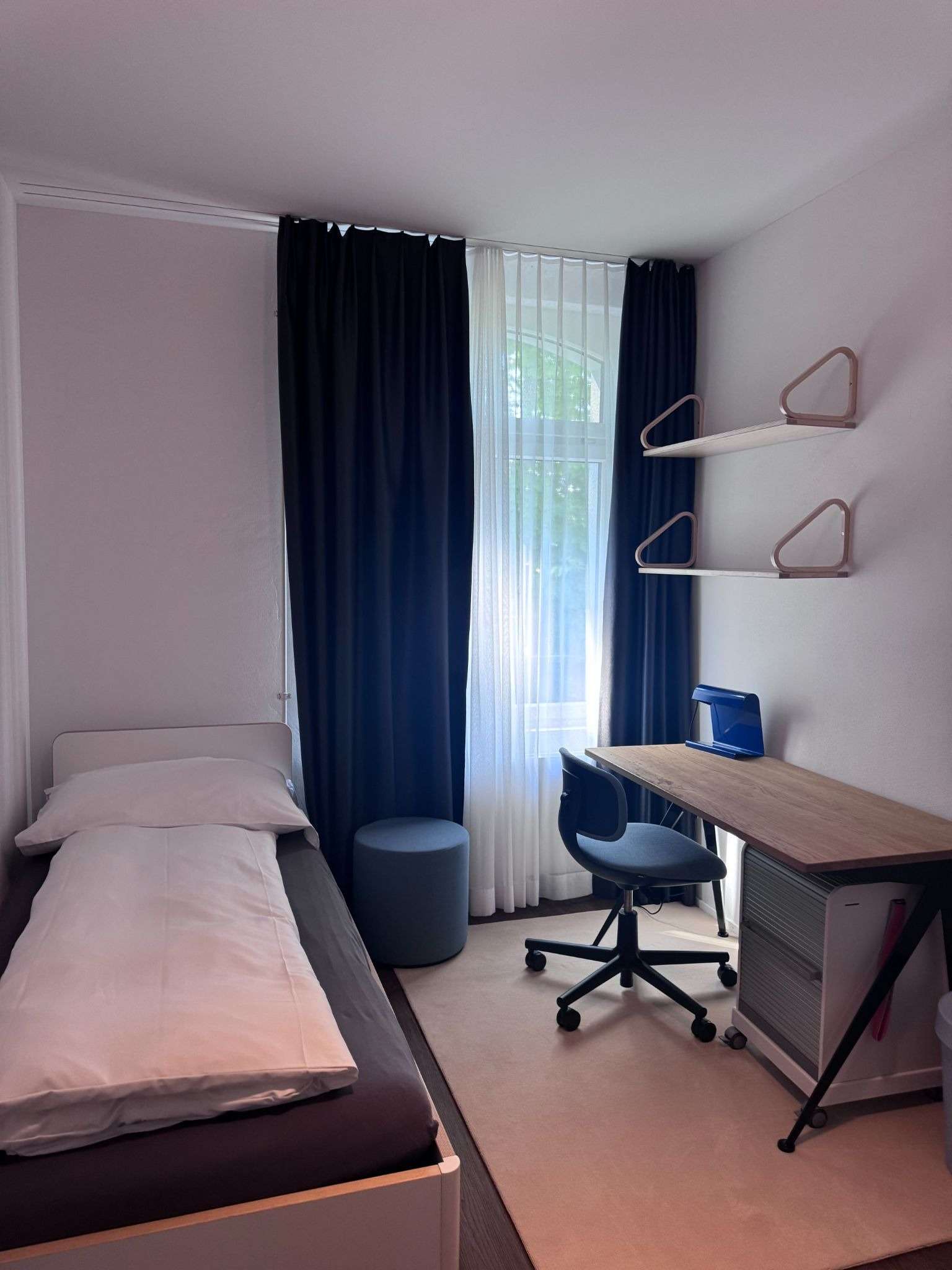
I also got to visit briefly with my student (briefly because she was in the midst of exams!). It was wonderful to see how she is thriving.
Rosenberg offers several qualifications for graduating students, including International Baccalaureate (IB) Diploma, GCSE A-Levels, Advanced Placement, and the Rosenberg High School Diploma.
In our view, the ideal student for Rosenberg is interested in a small, urban-based school with an international student population. They might be interested in pursuing projects in science or entrepreneurship. The school’s personalized approach, combined with a high degree of structure, will also benefit students who may need a bit of extra support around executive functioning. Notably, Rosenberg’s tuition is in the high range so families should be prepared for this.
Swiss Boarding School Stop Two
Institut Montana
Our second stop was Institut Montana Zugerberg. Perched on a mountain overlooking beautiful Lake Zug, Montana is celebrating their 100th year anniversary this month. Founded in 1926 by Dr. Max Hausmann, an educator and advocate for world peace. His vision was a school where students come together from around the world, and this vision is still alive today, with 55 nationalities represented.
We drove to the school, but students and faculty can take public transportation from the town of Zug, which includes a bus and a funicular (so cool!).
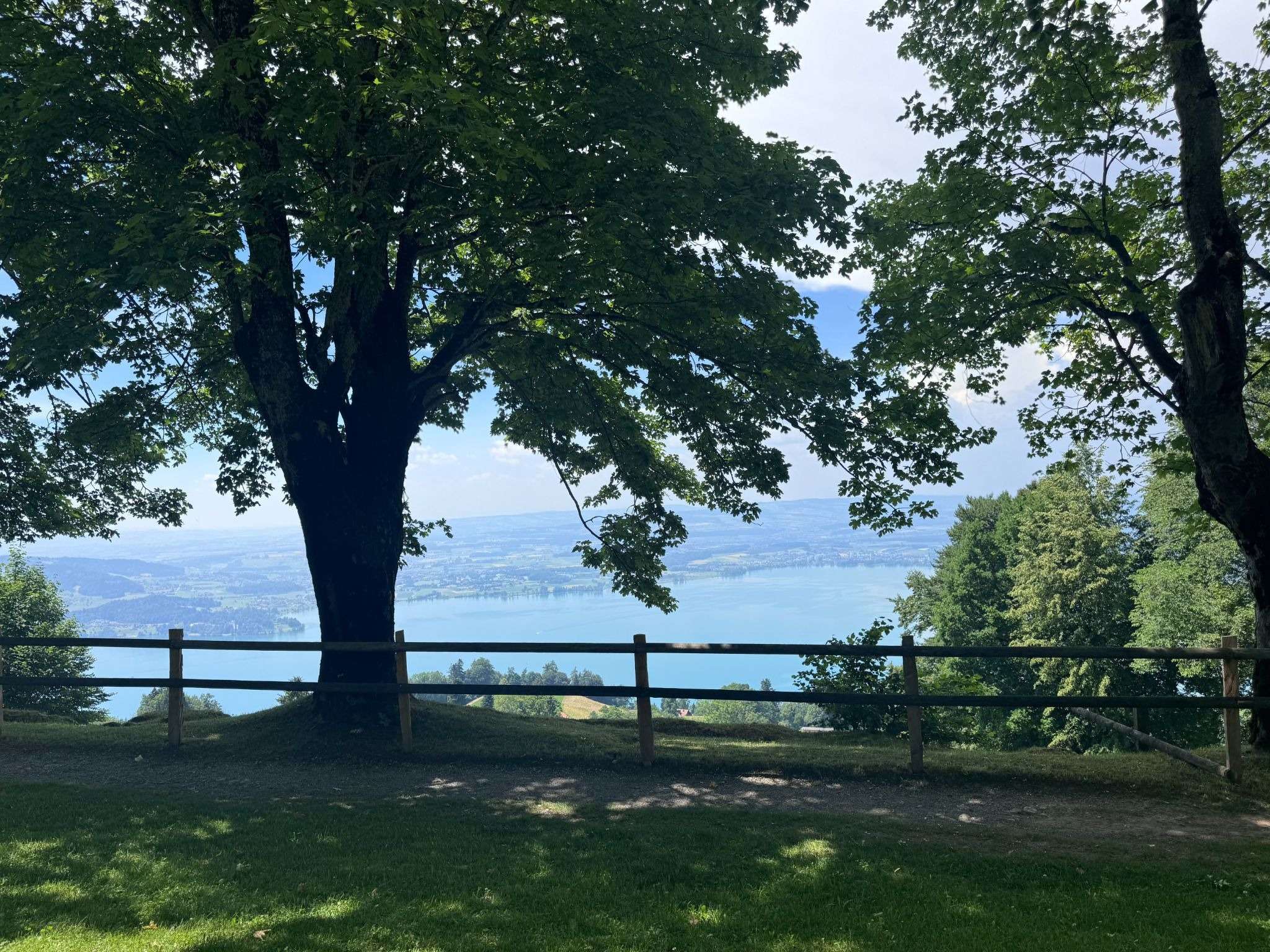
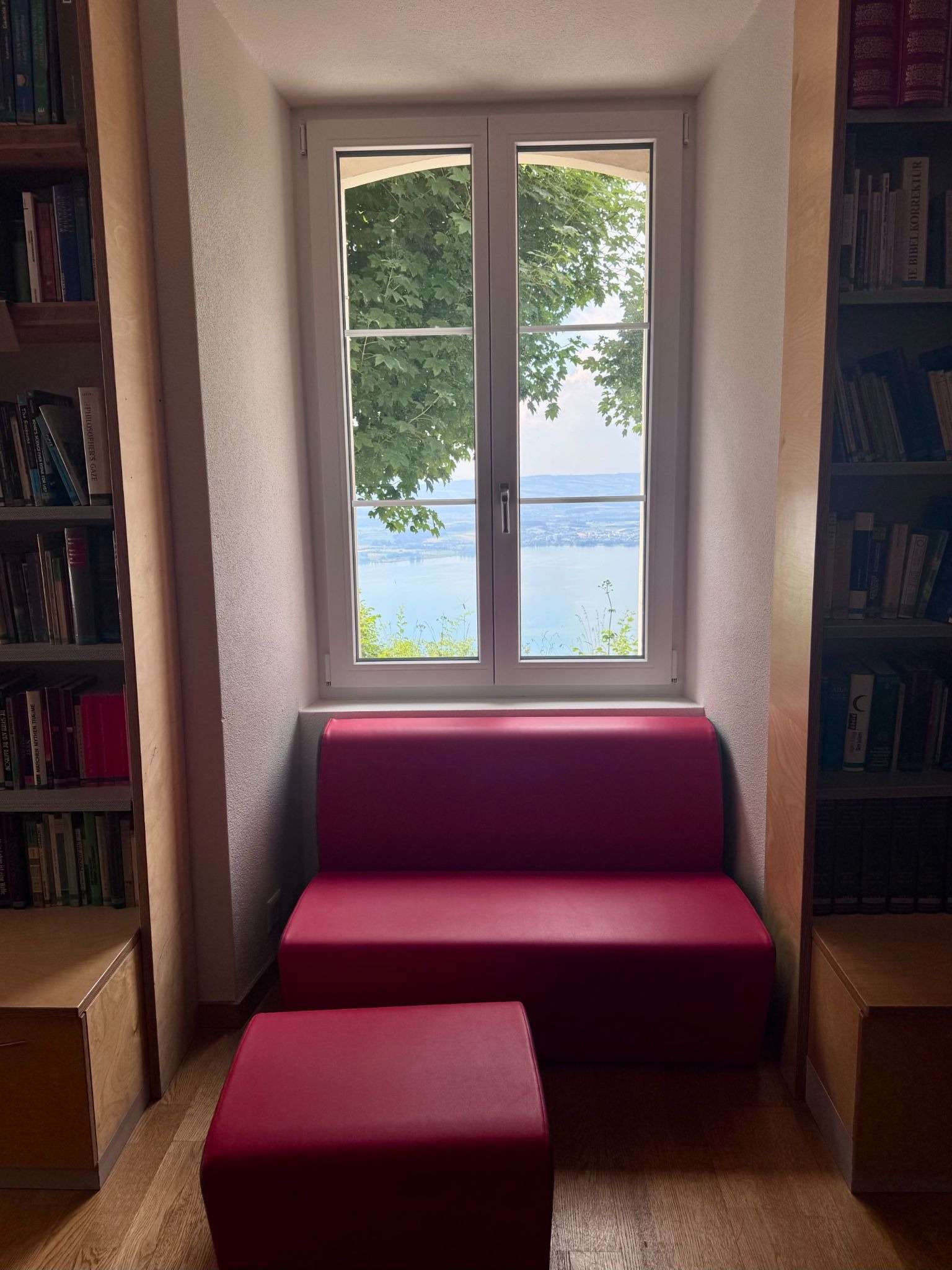
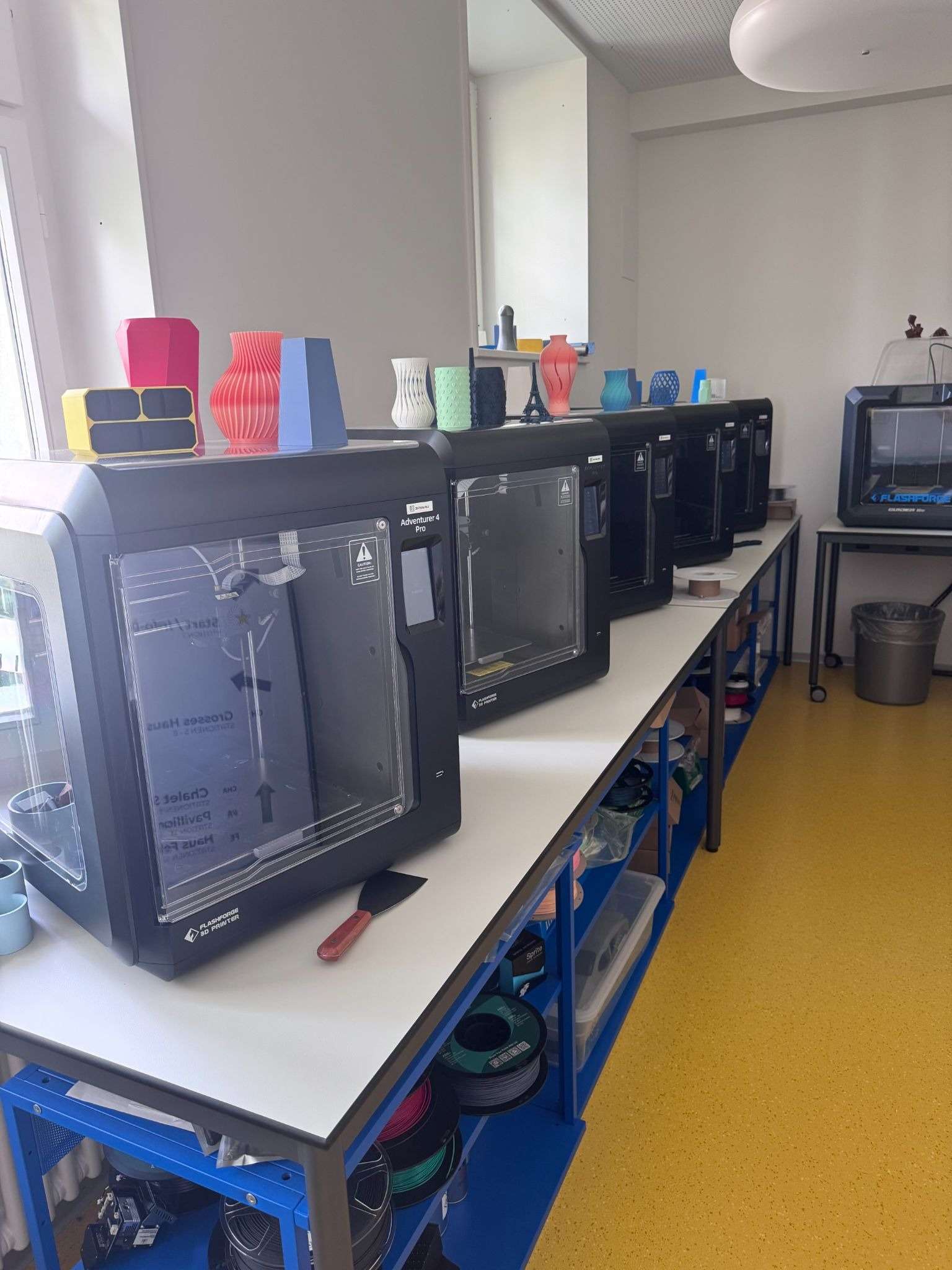
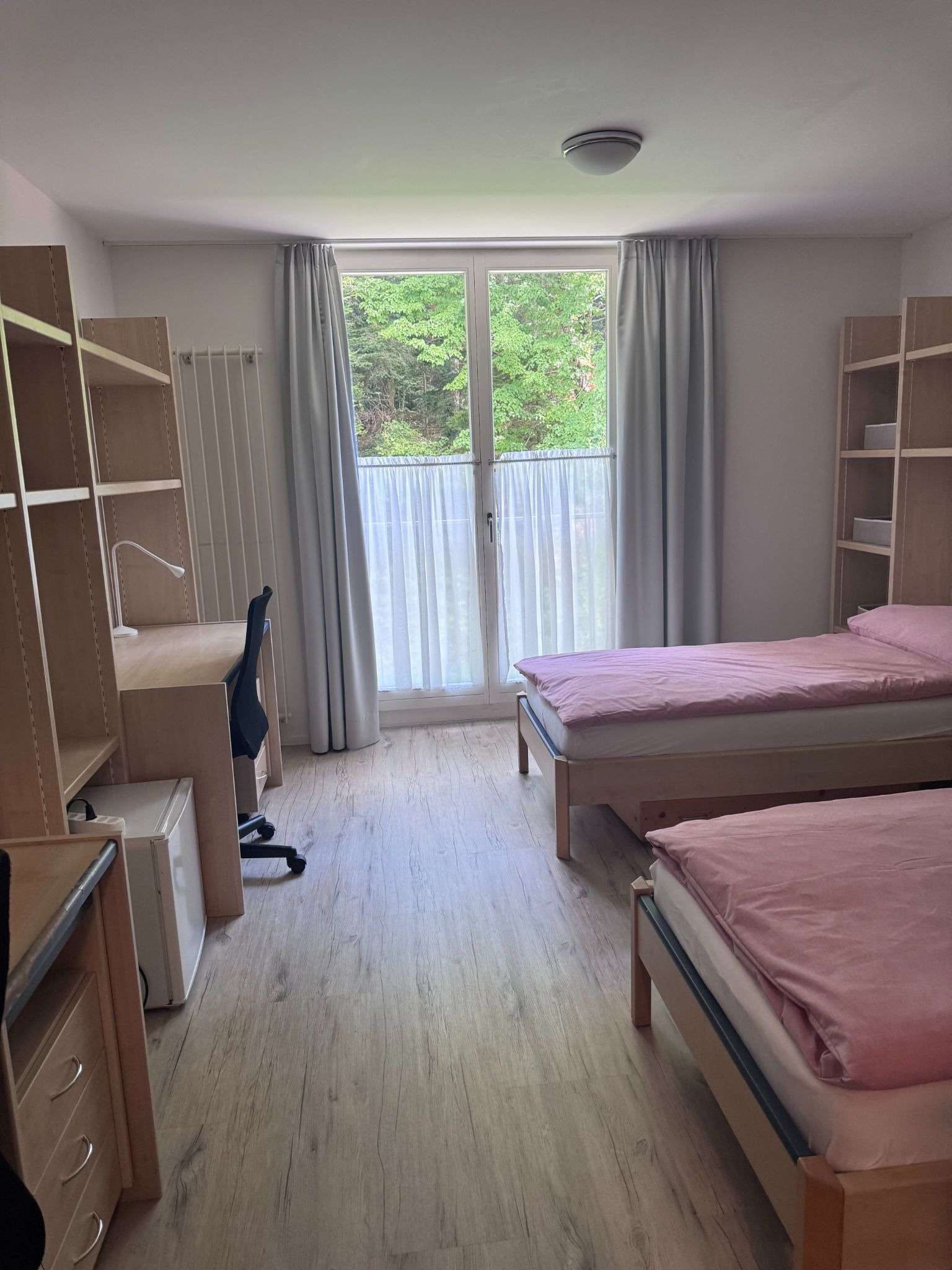
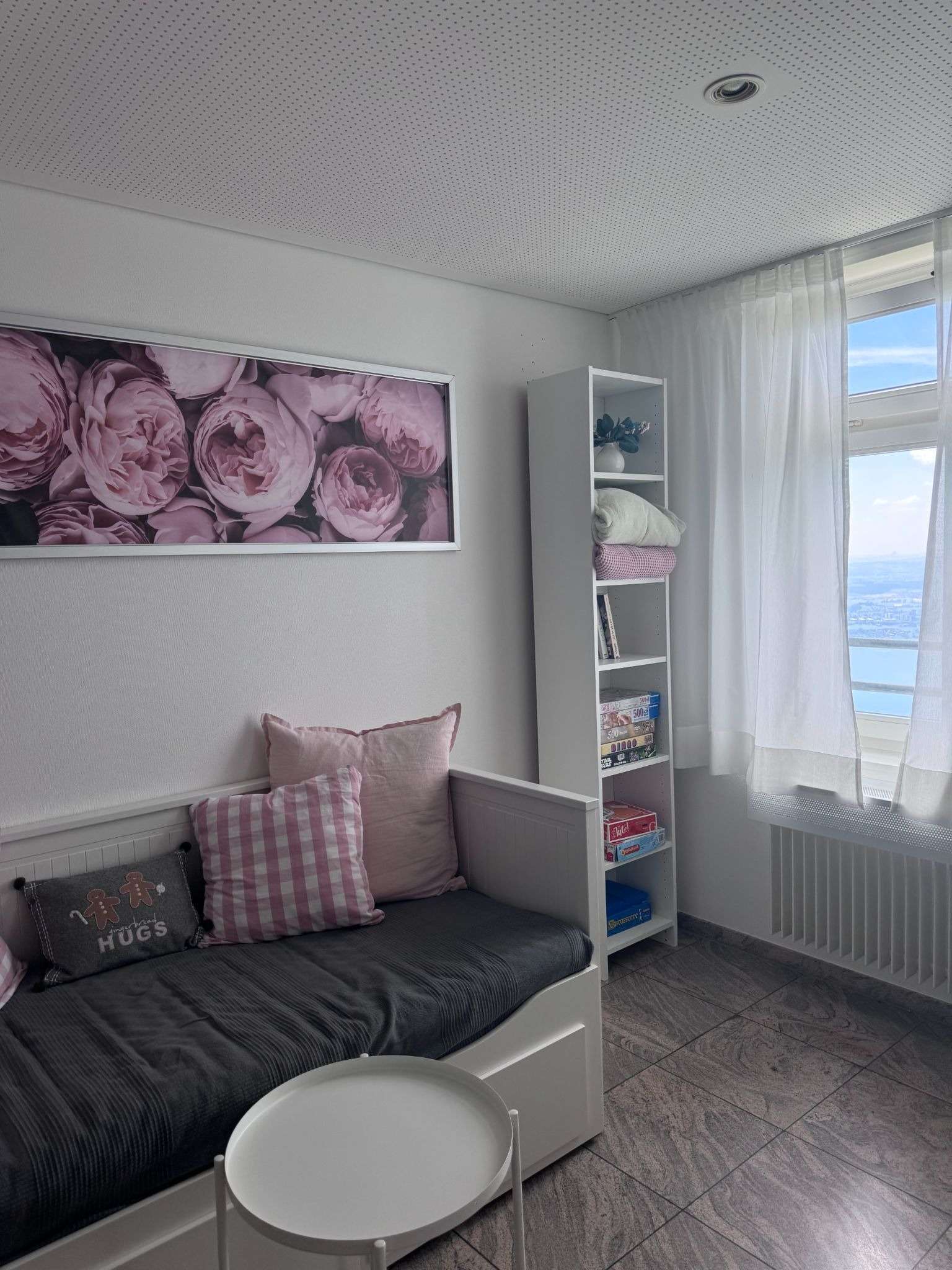
Montana offers the International Baccalaureate (IB) Diploma or a High School Diploma. Our impression is that Montana is a great school for an internationally-minded student who wants to be near a town but will enjoy a self-contained campus life as well. Students should be ready for a rigorous academic program, though Montana does offer a learning support program, R.I.S.E. This program offers 3-levels of academic support and guidance for mild to more complex learning needs.
Swiss Boarding School Stop Three
Ecole d’Humanité
Next, we climbed (well, drove) up into the alps to Ecole d’Humanité. The founders, Paul Geheeb and Edith Geheeb Cassirer, originally founded a similar school in Germany but fled fascism and founded L’Ecole in Switzerland in 1934. Nestled high in the alps like a movie set for Heidi, it still touts the progressive education ideals it was founded on.
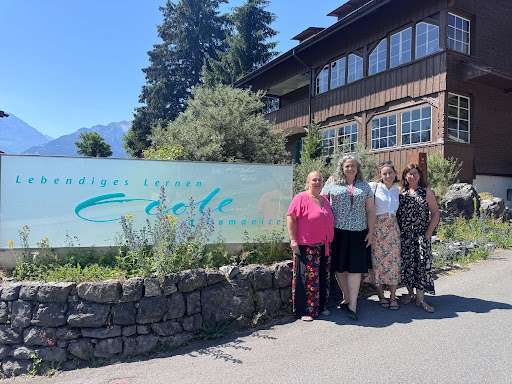
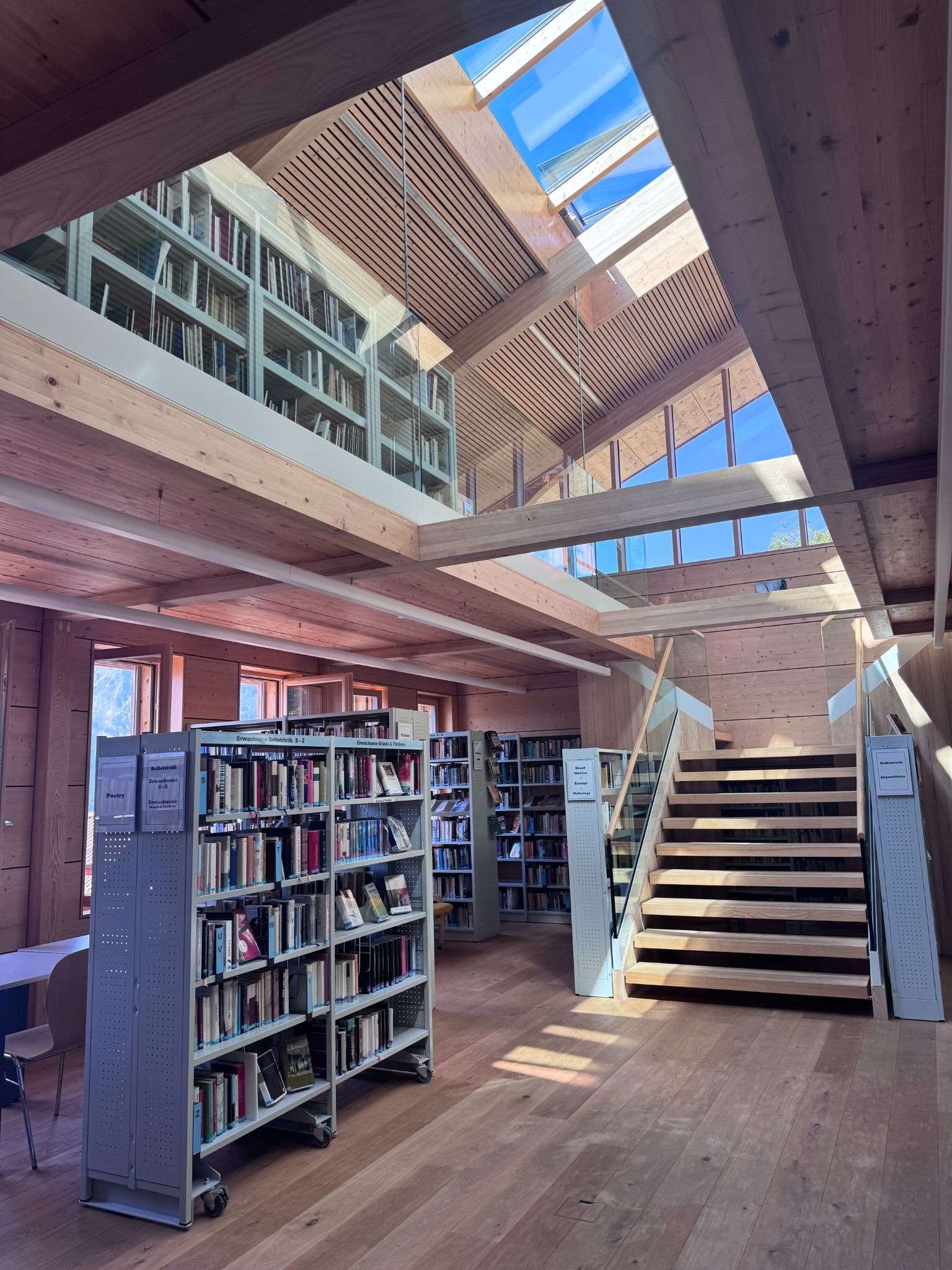
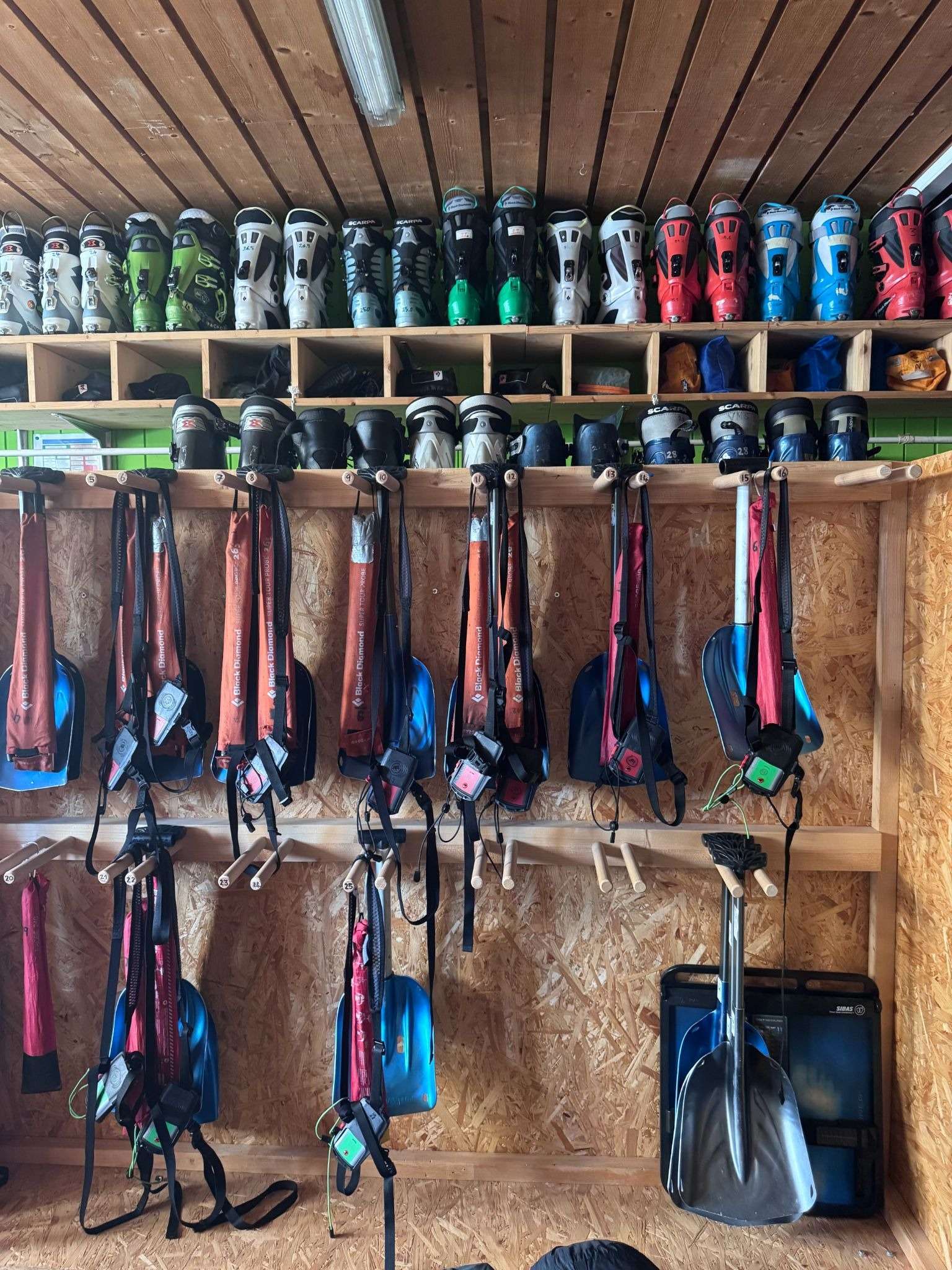
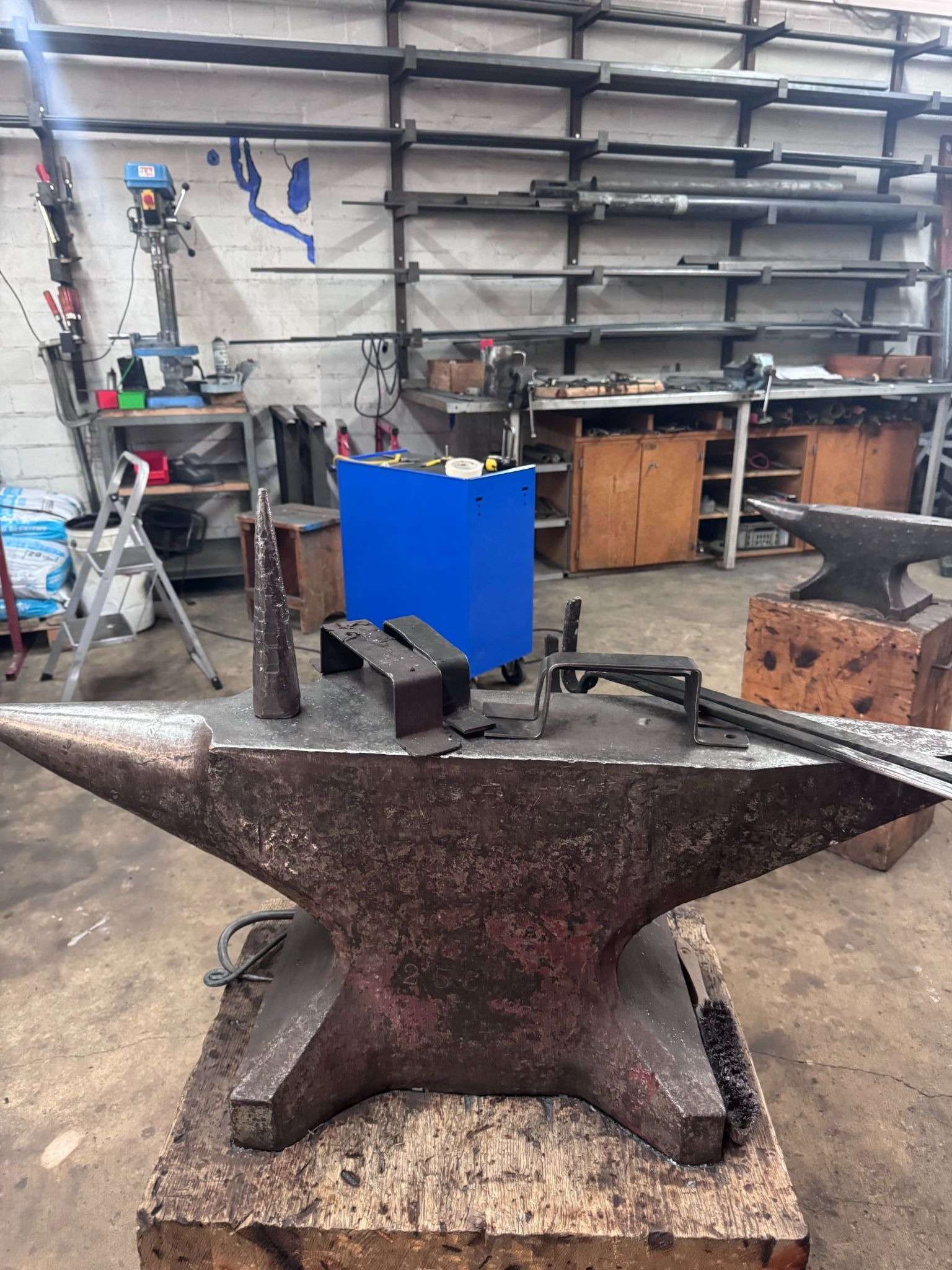
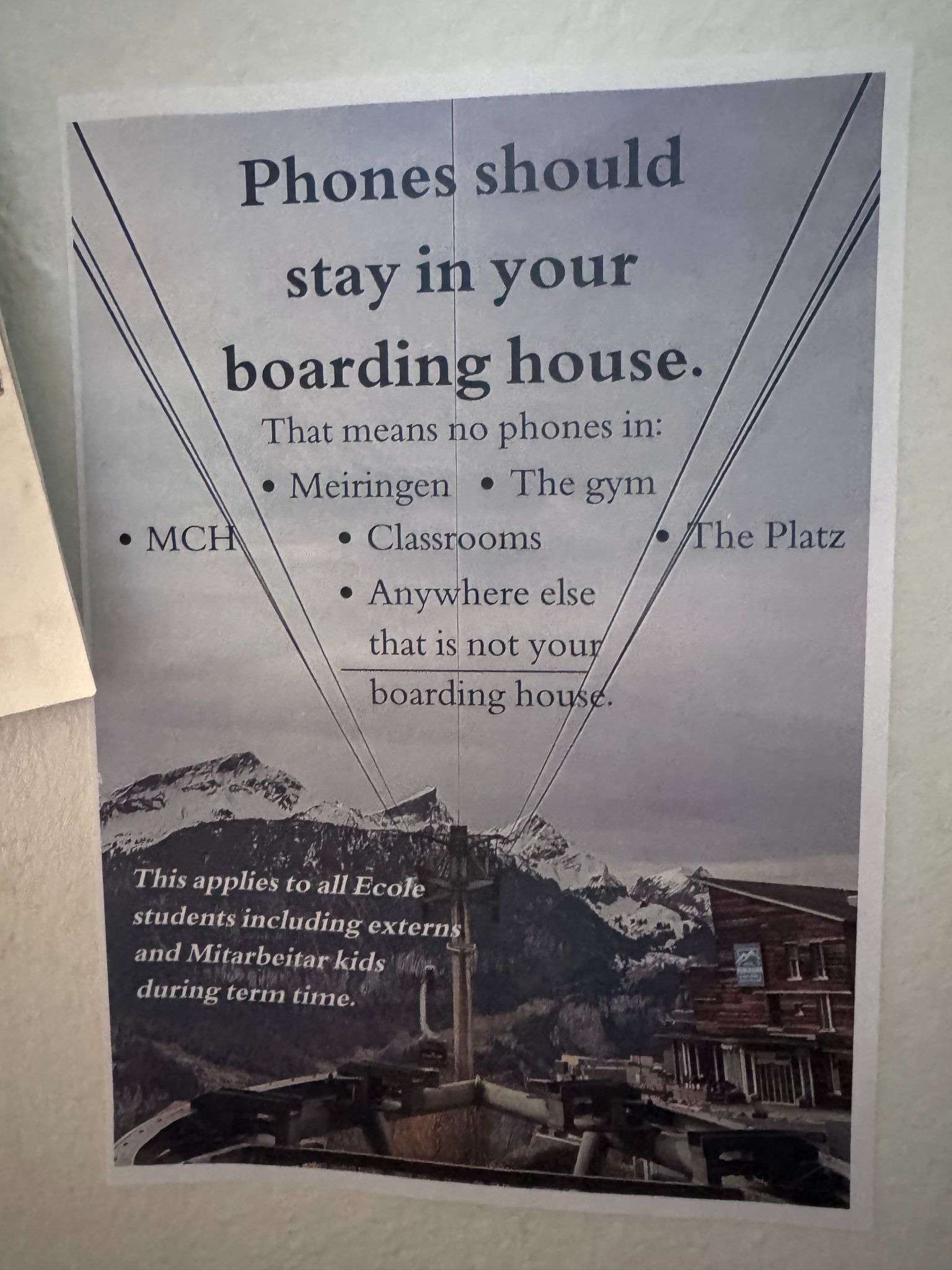
The Ecole is well known for their progressive, holistic approach to education. Students in the US program have the opportunity to earn a High School Diploma, with the options for Advanced Placement (AP) courses or the Advanced Placement International Diploma (APID)®. A robust co-curricular program offers a variety of courses in sports and the outdoors, the arts and music, and handicrafts – including blacksmithing and sewing. The Ecole is a great school for the student who will benefit from a smaller school with a close community and personalized attention, and students who need extra support may take advantage of counseling and learning services. Students should be comfortable with a more remote setting and be at least curious, if not keen on, about outdoor activities such as hiking and skiing.
Frequently Asked Questions
What makes Swiss boarding schools special? Switzerland has a long tradition of progressive and innovative education that embraces internationalism and pluralism. Today boarding schools in Switzerland are uniquely diverse and offer a range of curriculums, diplomas, and extracurriculars.
Why do people consider Swiss schools? There is a wide variety of Swiss schools, as this blog demonstrated. Initially, families may be drawn to being in Switzerland, which may be closer to home (depending on their home country, of course) and travel opportunities in nearby European countries. Some may also be drawn to Switzerland’s reputation for being welcoming to all nationalities. That said, ultimately it’s important to choose a school based on the individual fit for the student.
What costs are associated with Swiss boarding schools? It’s important to know that costs for Swiss boarding schools are higher than those for other countries, such as the US, UK and Canada. Costs range from 75,000 CHF to more than 180,000 CHF, depending on the school and additional add-on programming.
What’s the best way to find and evaluate schools? One of the best ways to do a school search is to work with an independent educational consultant. At RNG, we only work for families—we do not accept any remuneration or payment from schools or other entities. We work closely with students and their families to understand their priorities and needs, and help them find their “best fit” options. We recommend students engage in conversations with schools and visit, when possible. We have over 30 years of combined experience advising students—contact us today for a gratis initial consultation!!